
CO2 Laser Resurfacing in Medford, Oregon
Physician-led CO2 resurfacing for deep or fine lines, sun damage, texture, and acne scars.
Medically reviewed by Alexander Bonato, MD — October 2026
Free laser consultation. No card required.
Resurfacing That Works With Your Skin's Own Healing
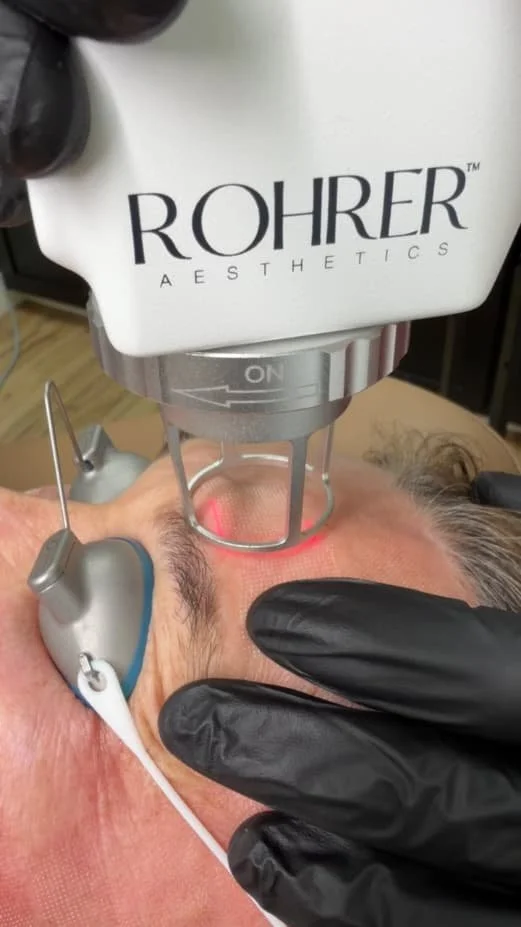
At Bonato MD Aesthetics, fractional CO2 resurfacing is performed with the Phoenix CO2 laser from Rohrer Aesthetics. The laser removes microscopic columns of skin and leaves the tissue between them intact. Your skin heals those columns over the following days and builds new collagen over the following weeks.
It is a serious resurfacing treatment, and it asks something in return: real healing time and careful aftercare. That is why every treatment starts with a conversation about your skin, your goals, and your schedule, and why you leave with written instructions for before and after.
Every treatment at Bonato MD Aesthetics is performed by Dr. Alex Bonato, MD — board-certified in Internal Medicine by the American Board of Internal Medicine. You'll always be treated by Dr. Bonato himself, from consultation through treatment. Serving Medford and Southern Oregon. Meet Dr. Bonato →
CO2 Laser Resurfacing at a Glance
Device: the Phoenix CO2 fractional laser (10,600 nm) from Rohrer Aesthetics.
Training: Dr. Bonato completed Rohrer Aesthetics' Phoenix CO2 training (presentation, system operation and hands-on training) on October 15, 2026.
Who treats you: Dr. Bonato does your free consultation, your procedure and your follow-up visits himself. 100% physician-done, from prescription to procedure.
Downtime and recovery, full-strength treatment: social downtime of about 7–10 days. The surface is typically healed by about day 7–10, crusting and flaking clear within 1–2 weeks, and pinkness lasts about 1–2 weeks, longer after deeper treatments. Makeup is fine once crusting has resolved, and you'll need to stay out of direct sun for at least 4 weeks.
Downtime and recovery, lighter treatment: redness typically lasts 1–2 days, with light peeling for about a week.
Cost: a full-strength fractional CO2 treatment is $2,500. Lighter treatments are $1,000 per session, typically as a series of two to three. CO2 for the hands is $500 per session or $1,200 for three sessions.
More on healing: CO2 laser recovery: what the week after actually looks like
How Fractional CO2 Resurfacing Works
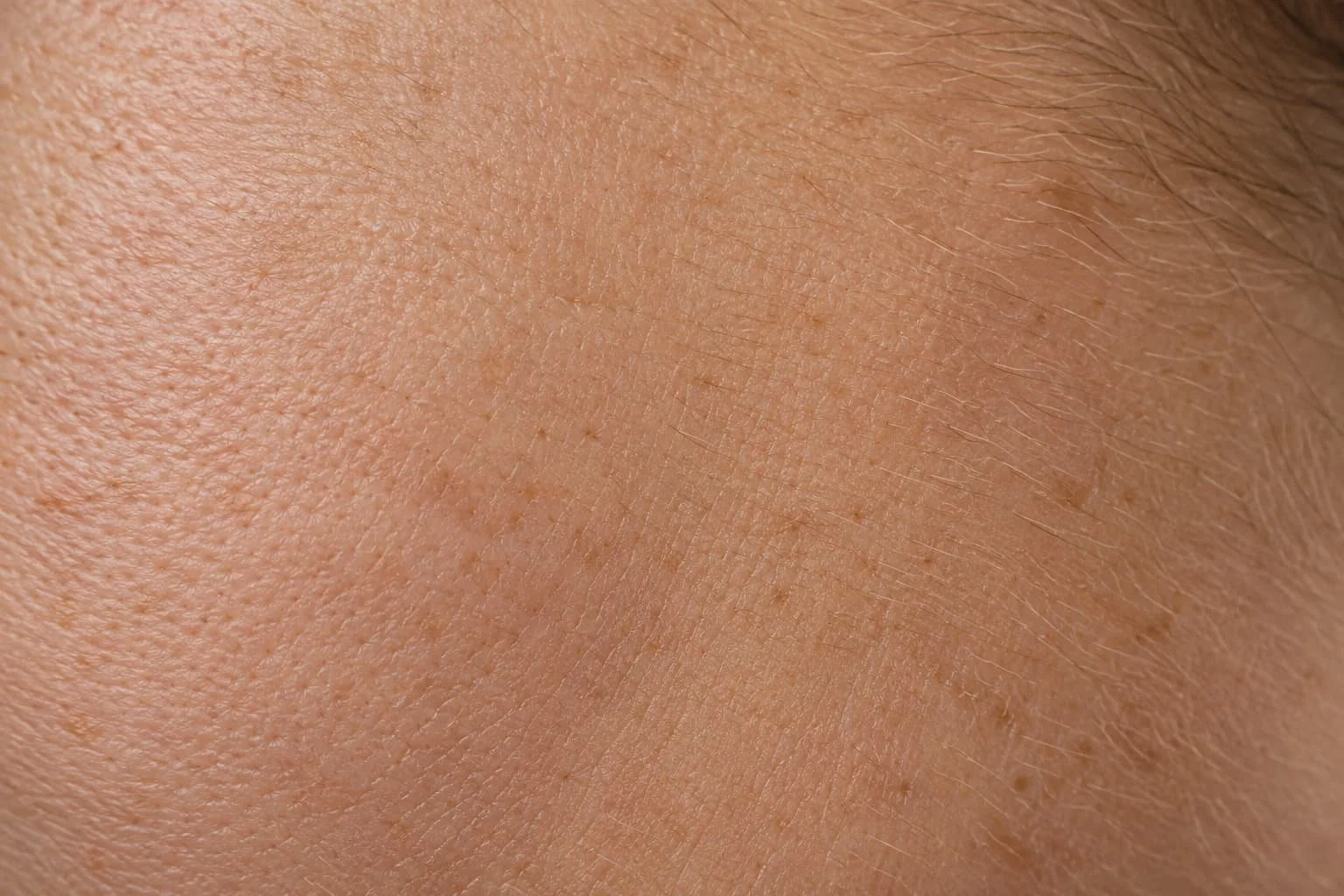
CO2 laser light is absorbed by the water in your skin. The Phoenix delivers that energy as a pattern of microscopic treatment zones. Each zone removes a tiny column of tissue and warms the tissue around it. The skin between the zones is left untouched, and it acts as a reservoir of healthy cells that speeds healing.
As the columns heal, your body remodels the tissue and builds new collagen. That is why improvement continues for months after the surface has healed.
Depth and density are adjustable, from a lighter peel-style treatment to deeper resurfacing. Deeper settings produce more improvement and also more downtime and more risk. Dr. Bonato chooses settings for your skin type, the area treated, and your goals.
For more detail, read how fractional CO2 laser resurfacing works.
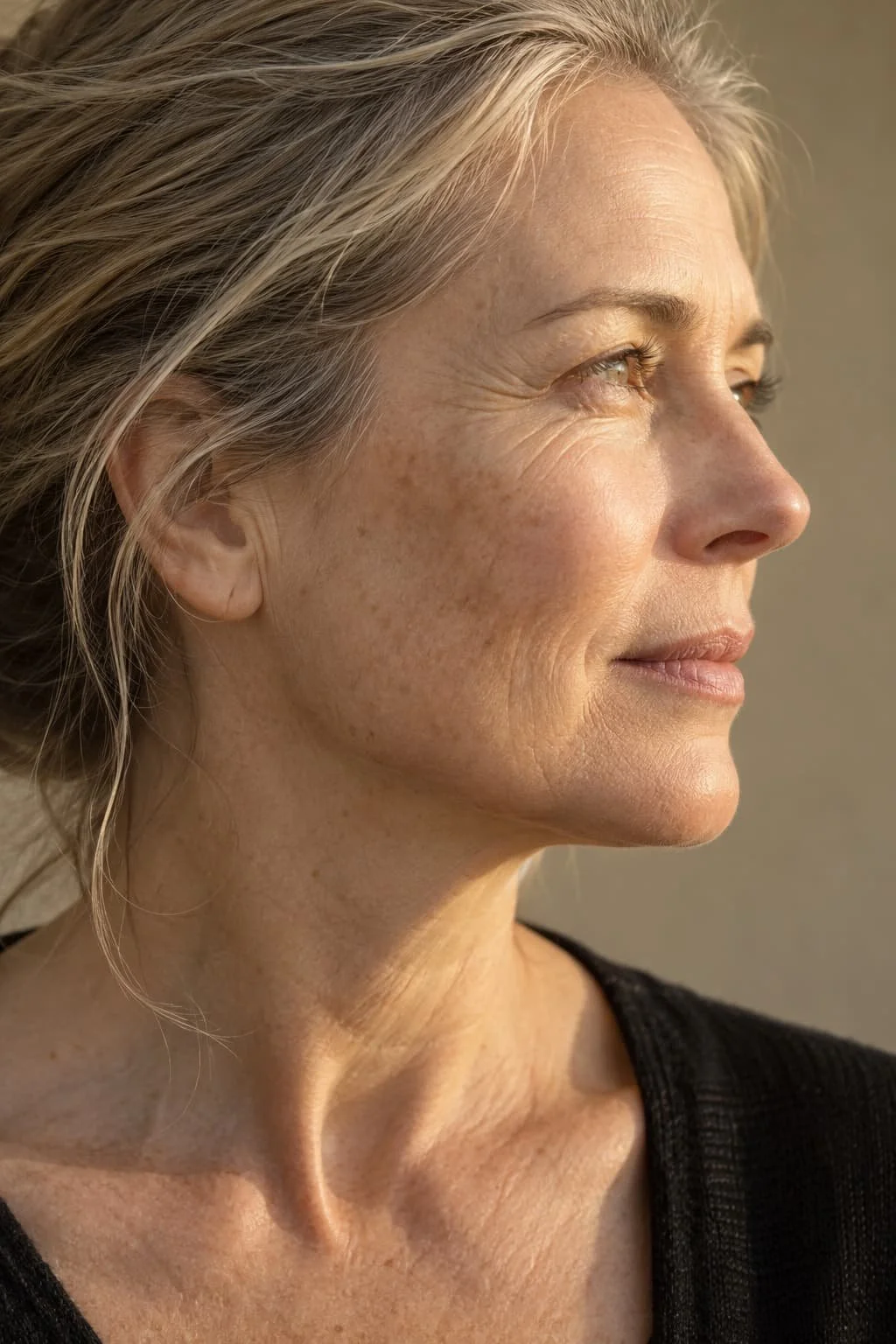
What Fractional CO2 Laser Treats
- Fine lines and wrinkles — including moderately deep lines that lighter treatments do not reach
- Texture and crepey skin — roughness, enlarged pores, and skin that has lost its firmness
- Sun damage and uneven pigment — the brown patches and mottling that come with photoaging
- Acne scars — rolling and shallow depressed scars tend to respond best. Narrow, deep (ice-pick) scars tend to respond least to laser alone, and a targeted acid treatment (TCA CROSS) is one option for them, alone or alongside the laser
- Stretch marks — improvement in texture and appearance, not removal
- Benign growths such as seborrheic keratoses — the waxy, stuck-on brown spots, each examined first to confirm it is benign
- Hands — CO2 treatment is also offered for the hands, with settings chosen for your skin and the area treated
Results build over months, and more than one session is sometimes needed. The goal is meaningful improvement, not complete correction.
How Much Does CO2 Laser Skin Resurfacing Cost in Medford?
A full-strength ablative fractional CO2 treatment is $2,500. It is the treatment for more significant sun damage, pigment change, and texture concerns, and it comes with the most downtime.
Lighter treatments use gentler settings for overall radiance and tone, with less downtime, and are $1,000 per session.
Lighter treatments are typically done as a series of two to three sessions, while a single full-strength treatment is often enough for more significant sun damage, texture or scarring. At your free consultation, Dr. Bonato will tell you which approach fits your skin before you commit to anything.
CO2 treatment for the hands is $500 per session, or $1,200 for three sessions.
CO₂ ($2,500): approximately $357 due at treatment, followed by six monthly payments of approximately $357 through Cherry. Subject to approval; exact payment amounts and terms are provided by Cherry.
Financing is offered through Cherry, a financial technology provider, not a lender. Plans are issued by Cherry’s lending partners and are subject to eligibility and approval. APRs range from 0% to 35.99%, and 0% APR options are available only to qualifying applicants. Terms are set by the lender and shown to you before you accept an agreement. See Payment Plans for details.
Who Is a Good Candidate?
CO2 resurfacing gives its most predictable results on lighter skin tones (Fitzpatrick types I–III). Darker skin tones are generally considered more susceptible to darkening after treatment, which is usually temporary but can occasionally be lasting, so Dr. Bonato plans those treatments with extra care. Treating olive to darker skin tones (types IV–VI) is off-label. It is considered case by case, after an individual assessment, with modified settings and a series of gentler sessions, and for many people another treatment may be a better fit.
If you are not sure which skin type you are, Dr. Bonato will assess it at your consultation.
When Dr. Bonato Will Ask You to Wait
Timing matters with CO2. Dr. Bonato will reschedule your treatment if you have:
- An active infection or cold sore in the treatment area
- Recent sun exposure or a tan — direct sun or tanning beds within 4 weeks, or self-tanner within 2 weeks
- Recent injectables — dermal filler within 4 weeks or neurotoxin within 2 weeks
- Taken isotretinoin (Accutane) within the past month
- An active acne or rosacea flare, which is calmed first
- Pregnancy or breastfeeding
Other conditions — diabetes, a history of keloids, autoimmune disease, metal hardware near the treatment area, prior radiation — call for a conversation first. They do not automatically rule out treatment.
What Recovery Looks Like
Healing varies with the depth of your treatment. This is a typical course:
- The first day — a hot, flushed, sunburn-like feeling that usually eases over the first day.
A cool compress and a thick layer of ointment are applied before you go home.
- Days 1–4 — swelling is at its peak, along with redness and clear oozing. You sleep with your head
elevated, cleanse gently twice a day, and keep the skin moist with ointment.
- Days 3–14 — the treated skin crusts and flakes as it heals, and the surface is typically
healed by about day 7 to 10. Makeup is usually fine once crusting has resolved.
- Weeks 2–8 and beyond — skin is pink and the redness fades gradually as new collagen forms. In two small published trials of fractional CO2, redness lasted about one to two weeks, and it can last longer after deeper treatments.
Plan your treatment around your calendar. Most people schedule it when they can stay out of the sun and skip social events for about 7–10 days. For a closer look at the first week of healing, read CO2 laser recovery: what the week after actually looks like.
How to Prepare
Good preparation lowers your risk of complications. You receive full written instructions when you book. The highlights:
- 4 weeks before: daily mineral sunscreen, no direct sun or tanning beds, and no other lasers, IPL, or peels in the area. If you smoke, this is the time to quit or cut back.
- 2 weeks before: no self-tanner, and no neurotoxin in the treatment area.
- 3-7 days before: stop retinol, retinoids, and hydroquinone. You may optionally pause over-the-counter anti-inflammatories and fish oil; pausing them may reduce bruising. Drink at least 64 ounces of water a day.
- The day before: if you've had cold sores, start the antiviral Dr. Bonato prescribed. The day of: come with a clean face, and plan to go straight home.
Keep taking any prescribed blood thinners or aspirin as directed. Any change is up to the physician who prescribed them.
Aftercare That Protects Your Result
How you care for your skin over the first two weeks has a direct effect on your risk of scarring and pigment change. The essentials:
- Keep the skin continuously moist with the ointment Dr. Bonato gives you
- Cleanse gently twice a day and pat dry
- Don't pick or scratch — let crusts come off on their own
- No exercise for 4 days, and no pools or hot tubs until you have healed
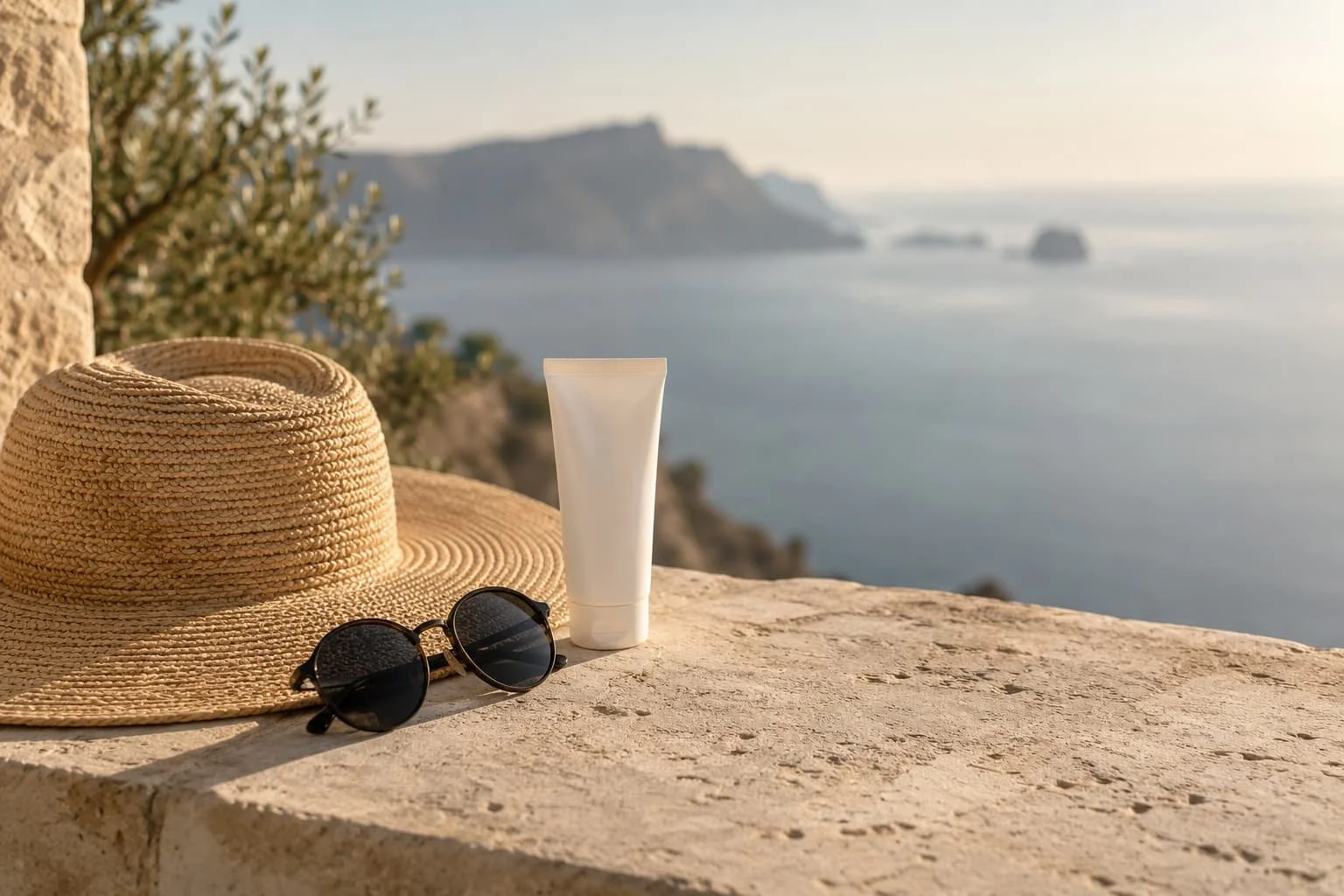
- Stay out of direct sun for at least 4 weeks, and ideally up to 6 months. Once your skin has healed over, wear a mineral sunscreen daily, plus a wide-brimmed hat and sunglasses
- Take your antiviral for the full course if you were prescribed one because you've had cold sores
- Come to your follow-up visits, including the ones scheduled months out.
What to Know Before You Decide
CO2 resurfacing is effective, and it carries more risk than gentler treatments. Common effects include prolonged redness and darkening of the skin, which is usually temporary and is generally considered more likely in darker skin tones. A cold sore can flare, which is why Dr. Bonato prescribes an antiviral before treatment if you've had cold sores. Infection is uncommon. Rarely, scarring or lasting loss of skin color can occur. Loss of color, sometimes appearing months later, was described mainly after older, fully ablative CO2 treatment, though some experienced physicians report seeing it after fractional treatment as well.
Dr. Bonato reviews the full risks, the alternatives, and your questions with you before anything is signed.
Alternatives Worth Considering
Depending on your skin and your goals, other options may be a better fit: topical prescription treatment, a non-ablative fractional laser with less downtime, microneedling, or a chemical peel. Dr. Bonato will talk through which approach makes sense for you, including doing nothing.
CO2 Laser Results
CO2 Laser Results
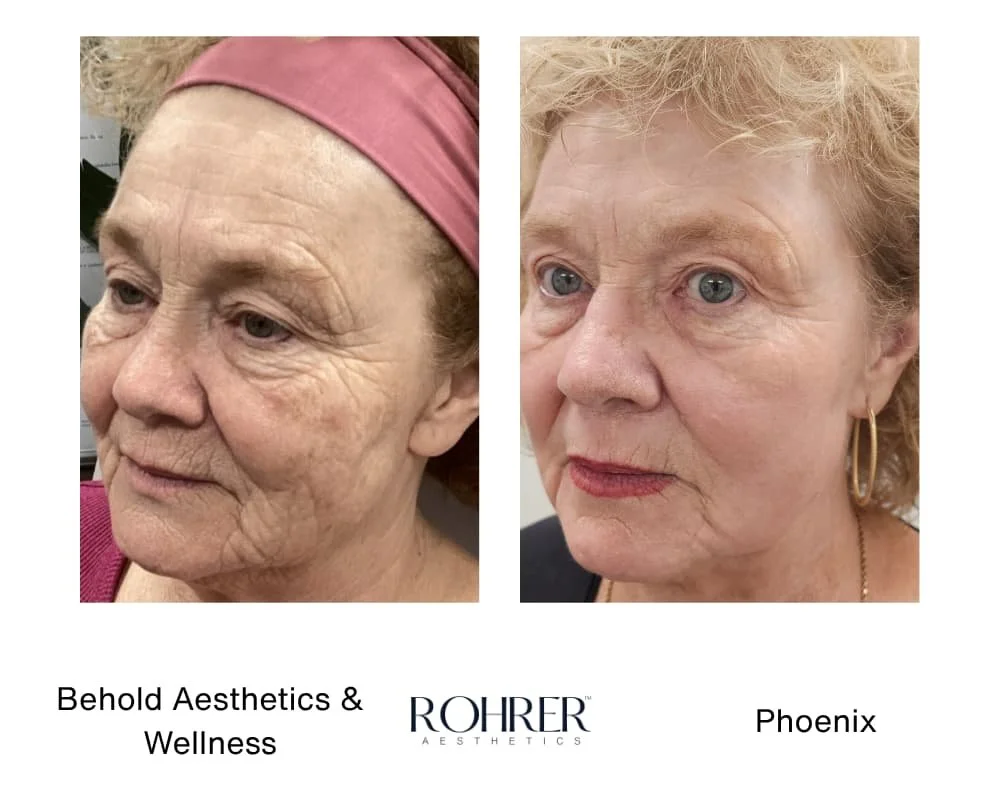
Manufacturer-supplied example — treatment performed by another provider. Individual results vary.
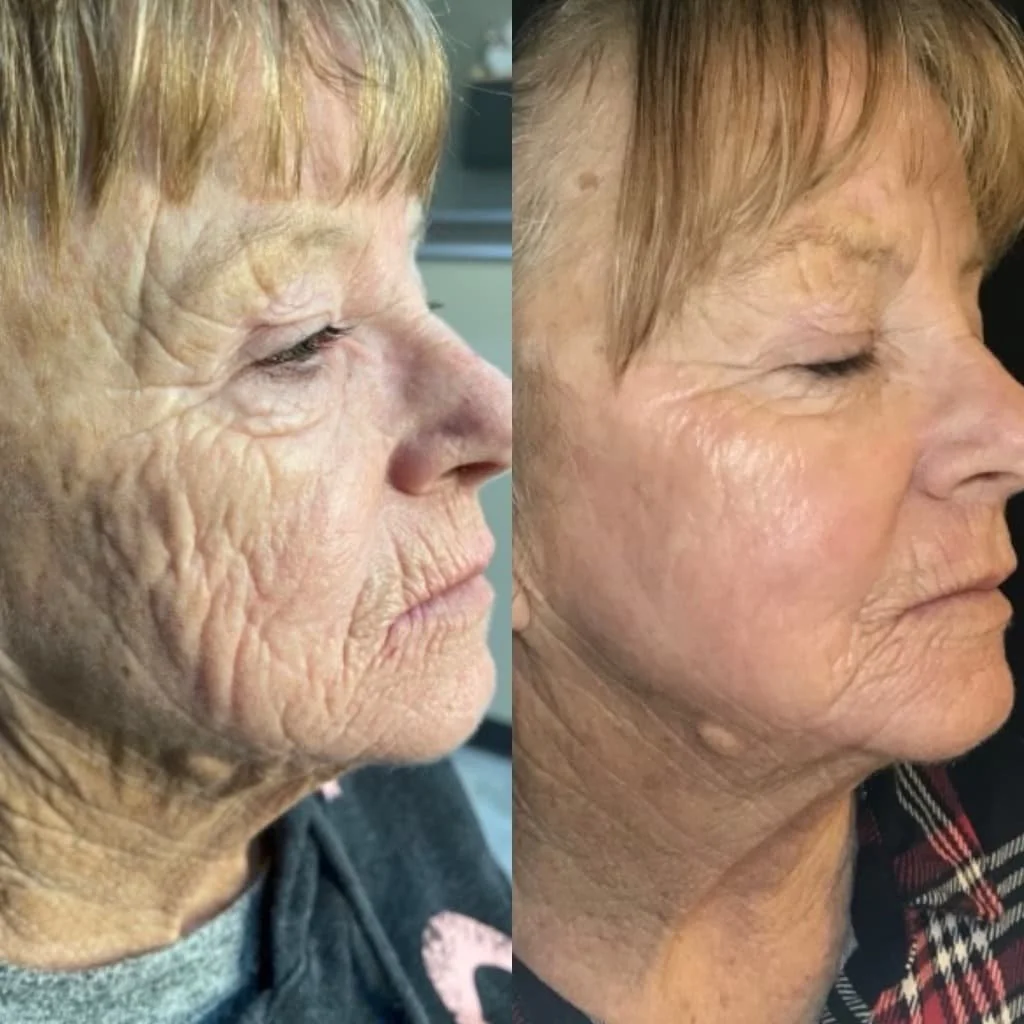
Manufacturer-supplied example — treatment performed by another provider. Individual results vary.
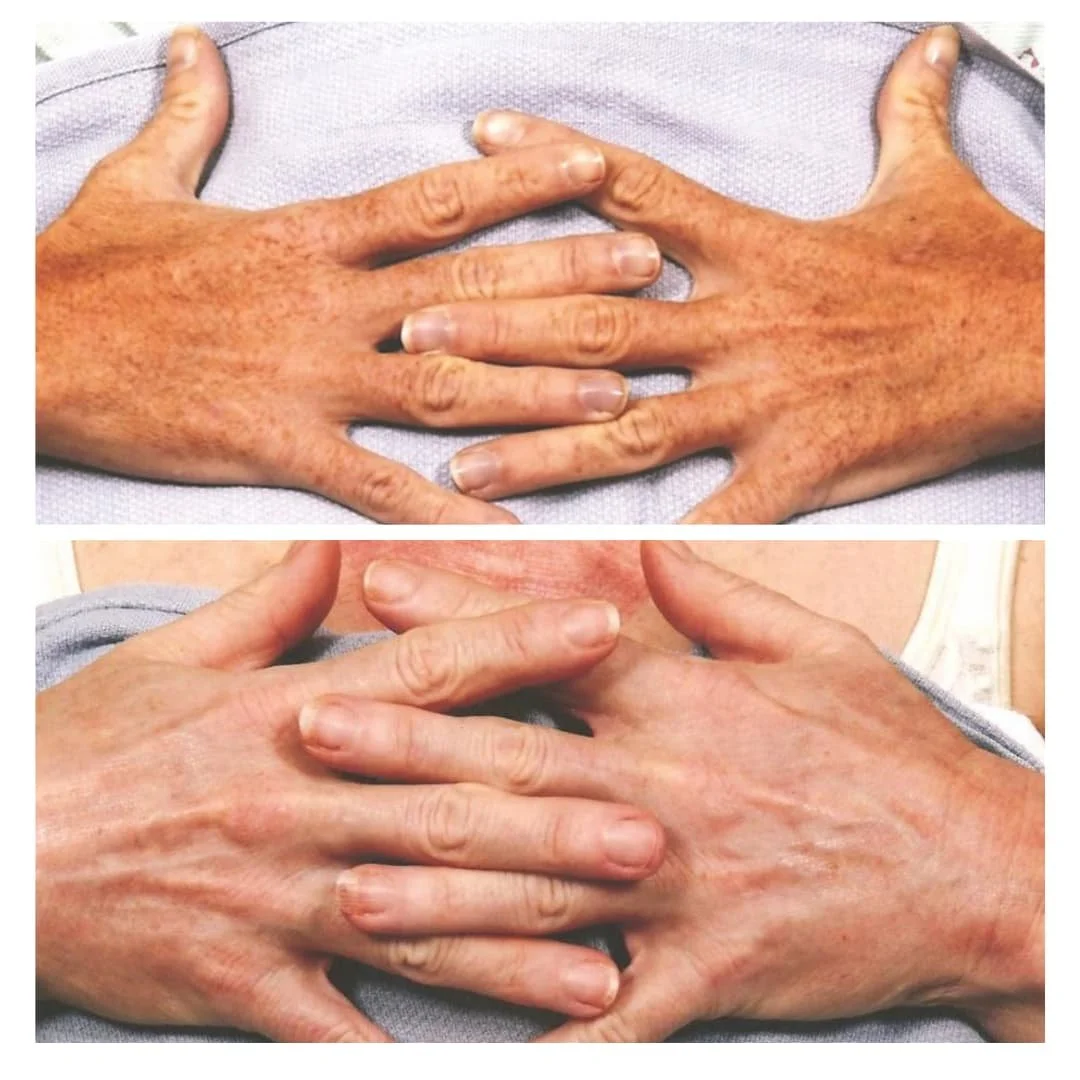
Manufacturer-supplied example — treatment performed by another provider. Individual results vary.
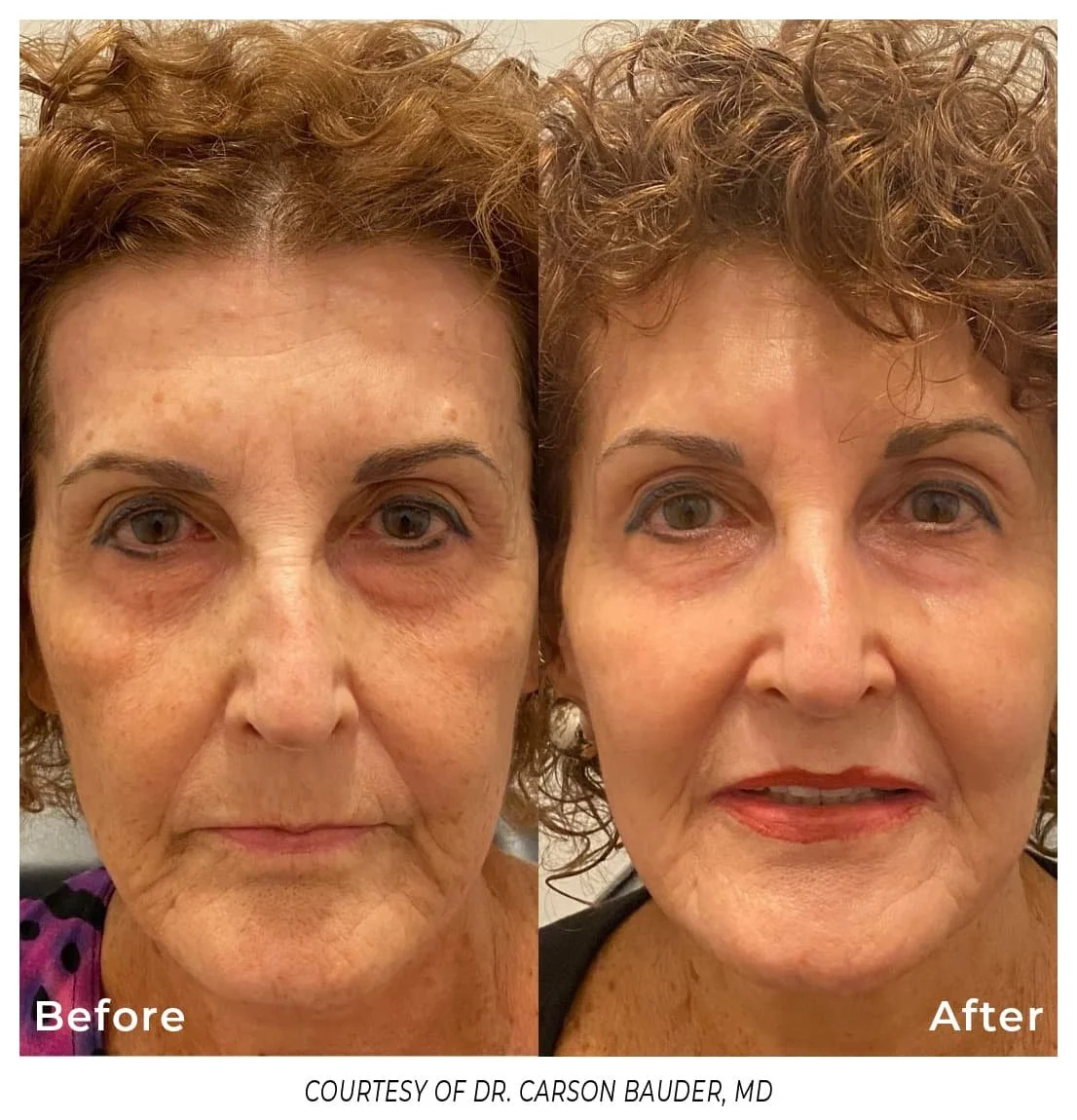
Manufacturer-supplied example — treatment performed by another provider. Individual results vary.
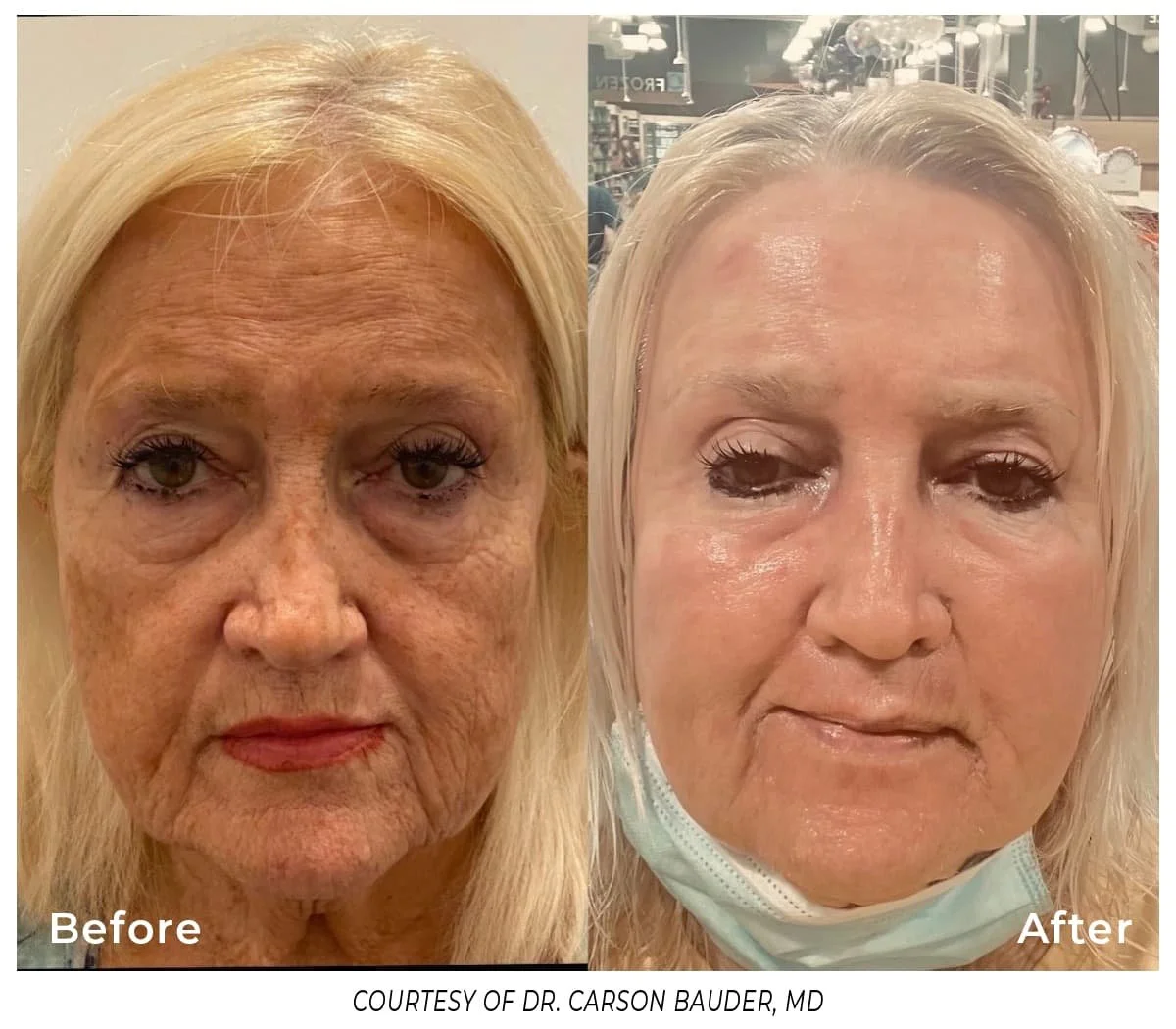
Manufacturer-supplied example — treatment performed by another provider. Individual results vary.
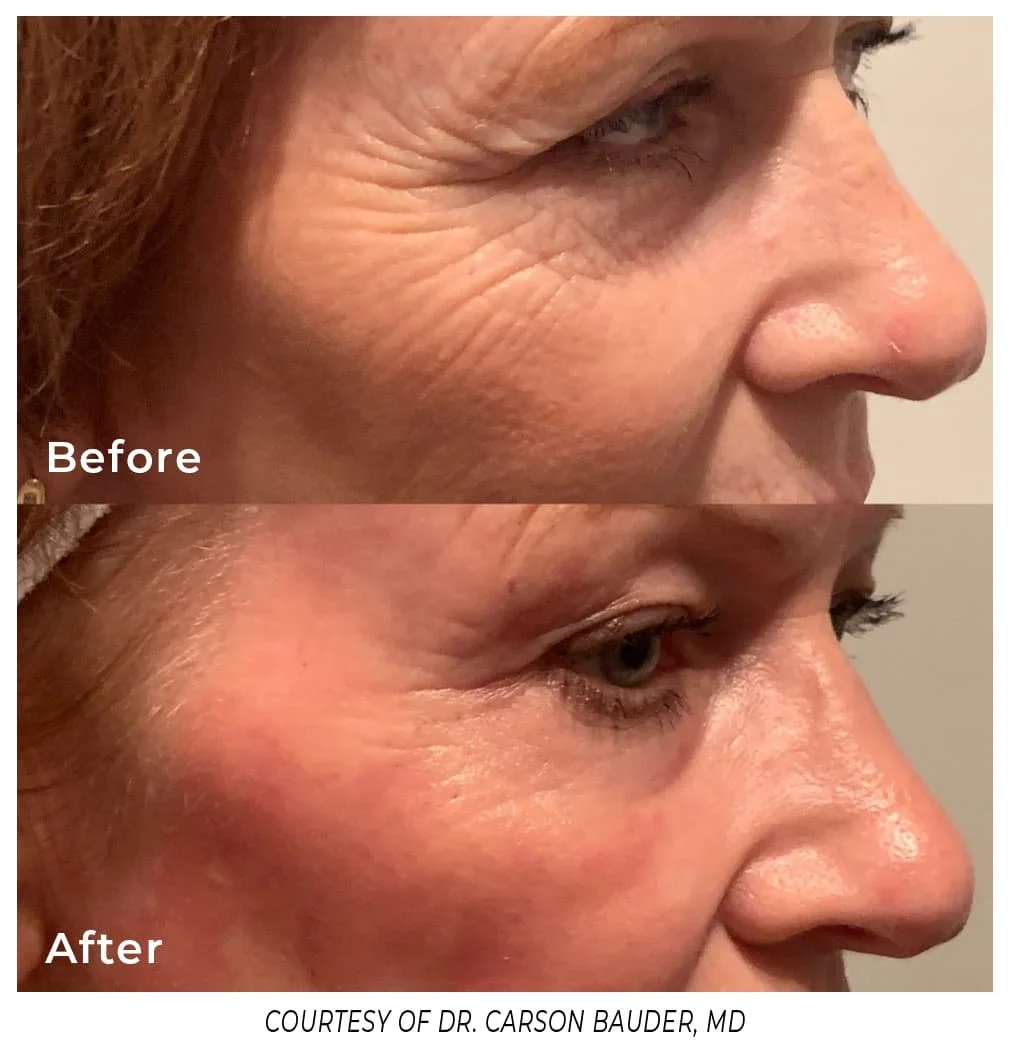
Manufacturer-supplied example — treatment performed by another provider. Individual results vary.
QUESTIONS? WE HAVE ANSWERS!
FAQs
-
A topical numbing ointment is applied about 45 to 60 minutes before treatment. For deeper treatments, Dr. Bonato may add injected local anesthesia or a nerve block. Most people feel heat and a snapping sensation during treatment, followed by a sunburn-like feeling that usually eases over the first day.
-
Numbing takes about 45 minutes to an hour before the laser is used, so plan for the full visit rather than the laser time alone.
-
It depends on the depth you and Dr. Bonato choose. Expect swelling and redness for the first several days, flaking and crusting for up to about two weeks, and pink skin that fades over the following weeks. After deeper treatments, redness can last longer.
-
Improvement develops gradually as your skin heals and collagen remodels over the following months. The number of treatments depends on the treatment intensity, your skin, and your goals. Dr. Bonato will discuss your expected treatment course at consultation. Results vary.
-
It depends on the depth you and Dr. Bonato choose. A single full-strength treatment is often enough for significant sun damage, texture, or scarring. Lighter treatments are typically done as a series of two to three, spaced at least 4 to 6 weeks apart. At your consultation, Dr. Bonato sets that expectation up front.
-
A full-strength fractional CO2 treatment is $2,500. Lighter treatments are $1,000 per session, and CO2 for the hands is $500 per session or $1,200 for three sessions. Dr. Bonato will tell you which approach fits your skin at your free consultation, before you commit to anything.
-
Fractional CO2 is an ablative laser. At full strength it reaches deeper into the skin than NOUVADerm, which can do more for deeper lines and scars, but it also brings more downtime and more risk. NOUVADerm is a 1927nm non-ablative fractional laser that stays near the surface. It is aimed at sun damage, uneven tone and rough texture, with recovery measured in days instead of weeks. Dr. Bonato will tell you which one fits your skin and your goals.
-
CO2 gives its most predictable results on lighter skin tones (Fitzpatrick I–III). For darker skin tones, darkening afterward is generally considered more likely. It is usually temporary but can occasionally be lasting. Treatment in those skin types is off-label and considered case by case, after an individual assessment, and a gentler option may be a better fit. Your skin type is assessed at your consultation.
-
Treatment is generally deferred until at least one month after your last dose, and Dr. Bonato makes the final call on timing for your skin. If you stopped isotretinoin within the past three months, pigment changes are more likely after resurfacing — especially in medium and darker skin tones — so Dr. Bonato may use more conservative settings or recommend waiting longer. Tell Dr. Bonato if you've taken isotretinoin at any point in the past six months.
-
Fractional CO2 is widely studied for depressed (atrophic) acne scars. Studies generally find it improves them, and some pooled analyses of randomized trials find it improves scars somewhat more than gentler lasers or microneedling. Other pooled analyses found no clear difference. It also means more downtime, and some analyses found a higher chance of darkening than with microneedling, which is usually temporary. Rolling and shallow scars tend to respond best to laser. Narrow, deep (ice-pick) scars tend to respond least to laser alone, so a targeted acid treatment (TCA CROSS), which treats each scar individually, is one option for them, alone or alongside the laser. For darker skin tones, darkening afterward is generally considered more likely, and a gentler option, such as a non-ablative fractional laser or microneedling, may be a better fit, though gentler options usually need more sessions. Dr. Bonato will help you choose.
-
Not right around the laser. Have dermal filler at least 4 weeks before or after your laser treatment, and neurotoxin at least 2 weeks before.
Further reading
Sculptra + CO2 laser for acne scars
Why fall is a good time for laser
Want to read more first? Browse our Treatment Guides.
Ready to talk about resurfacing?
Book a free consultation with Dr. Bonato to find out whether CO2 laser resurfacing fits your skin and your goals — or whether another option would serve you better. Bonato MD Aesthetics is at 1112 Progress Dr, Suite 103, inside the TURNER+MANE Collective in Medford, with free on-site parking. Visits are by appointment only, and patients come from Ashland, Grants Pass and across the Rogue Valley and Southern Oregon.