
Is Fall the Best Time for Laser? Yes, and It's Not About the Sweaters
By Alexander E. Bonato, MD — Board-Certified in Internal Medicine · Medically reviewed August 2026.
TL;DR: Yes — fall and winter are the classic “laser season,” and it's not marketing, it's sun. Most resurfacing and pigment-focused treatments leave your skin temporarily more sensitive and prone to hyperpigmentation, and sun exposure right afterward is the quickest way to undo your results or trigger new brown spots. Cooler months mean less intense UV and less time outdoors, which makes the all-important sun protection much easier to actually follow. That said, the calendar matters less than the discipline: laser is fine in summer too if you're genuinely diligent with sunscreen and shade. Fall just makes doing the right thing effortless.
Every December, my wife and I watch one aggressively bad Hallmark Christmas movie per day — the kind where a big-city executive returns to her hometown, falls for a man who inexplicably owns a Christmas tree farm, and rediscovers the meaning of the season in roughly 90 wildly predictable minutes. They are, by any objective measure, not good. We love them without reservation. I bring this up because it has made me a person with strong, arguably unhinged opinions about which things belong in which season — and, professionally, I hold exactly one of those opinions I'd stake my name on: fall and winter are laser season.
I'm a board-certified physician (internal medicine by training) at Bonato MD Aesthetics, and “is fall the best time for laser?” is one of those questions where the popular answer happens to be right — but for reasons worth actually understanding. So here's the honest why, and the important asterisk.
The Real Reason: Laser and Sun Don't Mix
Strip away the seasonal marketing and it comes down to one thing: sun. Most laser treatments — especially resurfacing and pigment-focused ones like the 1927 nm thulium laser — do two relevant things. First, they leave your skin temporarily more sensitive and vulnerable while it heals. Second, many of them are specifically targeting pigment. Add sun exposure to freshly treated, pigment-sensitive skin and you get the worst-case combination: you can undo the tone correction you just paid for, and even trigger new post-inflammatory hyperpigmentation — brown patches that appear as a reaction to inflammation plus UV. The sun can quietly turn a great result into a step backward.
Why Fall and Winter Make It Easy
Here's where the season genuinely helps — not by magic, but by making the right behavior effortless:
● Lower UV. The sun is less intense in fall and winter, so incidental exposure does less damage to healing skin.
● Less outdoor time. Be honest with yourself — you're simply outside less in November than in July. Fewer river days, fewer long hikes, less temptation.
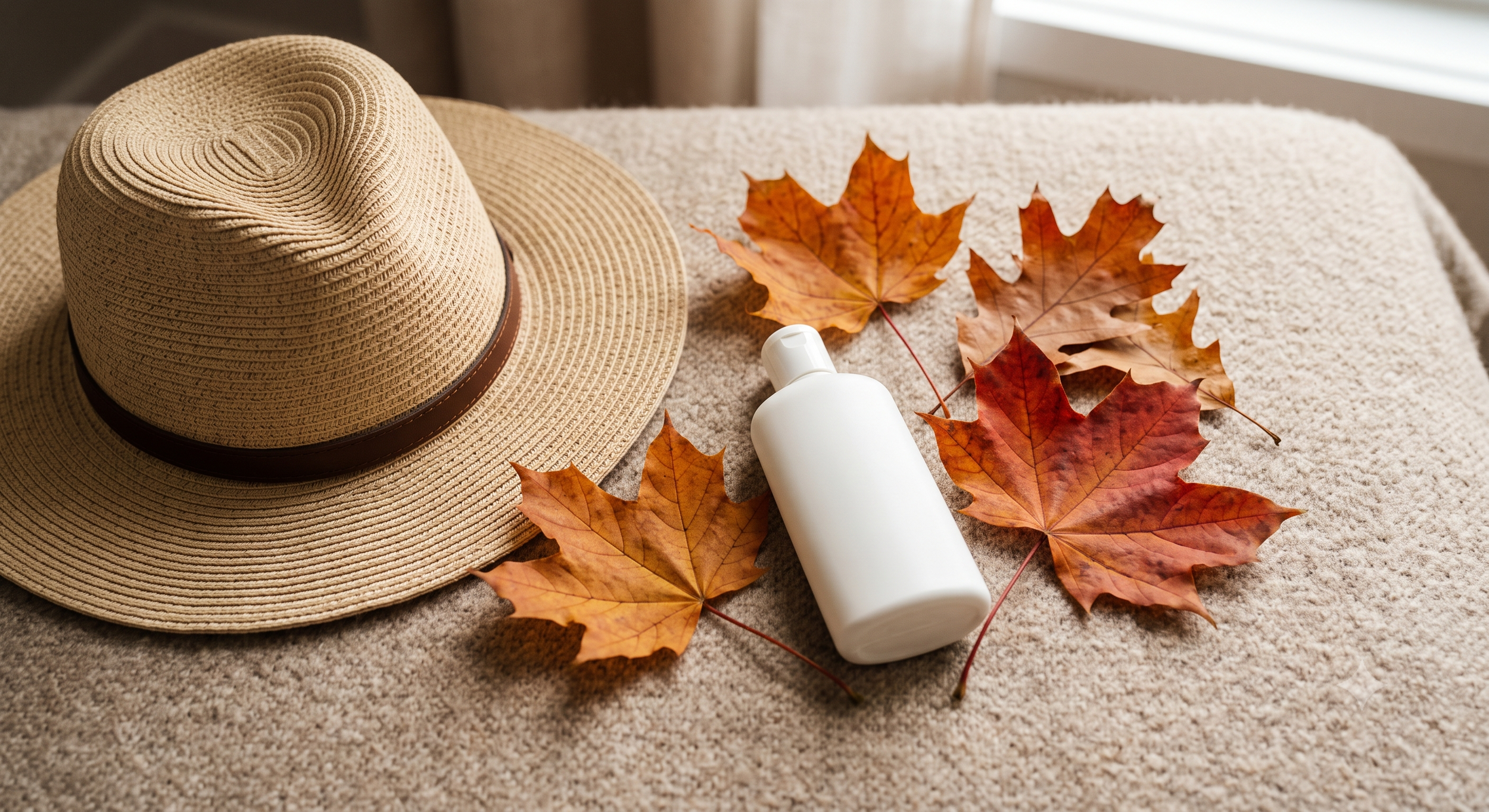
● Easier coverage. Hats, hoods, and long sleeves are wardrobe defaults in cooler months, so protecting treated skin doesn't take willpower.
● Runway to peak at the right time. Start a series in the fall and you're glowing by the holidays — or set up for a spring event without a summer scramble.
The Honest Asterisk: It's About Discipline, Not the Calendar
Here's what a lot of “laser season” messaging leaves out: the season isn't magic, and summer laser isn't forbidden. What actually protects your results is diligent sun protection — daily broad-spectrum sunscreen, reapplication, hats, and shade — plus avoiding a fresh tan before treatment. If you genuinely do all of that in July, you can absolutely have laser in July. The reason we lean toward fall isn't superstition; it's that we're all human, and it is so much easier to be disciplined about the sun when the sun isn't beating down and personally inviting you to the river. Fall just lowers the difficulty setting on doing the right thing.
What Good Post-Laser Sun Protection Actually Looks Like
Whatever the season, this is the non-negotiable aftercare that makes or breaks a pigment result:
● Daily broad-spectrum SPF 30+, every day, reapplied — not just on the days that look sunny.
● Physical shade — a hat and sunglasses are your best friends, especially for the first few weeks.
● No tanning beds and no deliberate sun before or after a series.
● Skip the appointment if you're currently tan or sunburned — we'll reschedule, because treating recently sun-exposed skin raises the risk of exactly the pigment problems we're trying to fix.
● Reapply after sweating or swimming — sunscreen isn't a one-and-done at breakfast, especially while your skin is healing and most vulnerable.
Frequently Asked Questions
Can I really not get laser in the summer?
You can — it's just harder to do safely. If you're a devoted sunscreen-reapplier who can genuinely stay out of the sun while you heal, summer is fine. If you know you'll be at the lake every weekend, let's wait for fall and actually protect your results.
How long do I need to avoid the sun after a treatment?
Be especially strict for the first couple of weeks while the skin is actively healing, and stay diligent through your whole series. Honestly, though, daily sunscreen should outlive the treatment entirely — it's the best anti-aging habit there is, laser or not.
Does this apply to every laser and treatment?
The sun-sensitivity rule applies broadly across resurfacing, pigment, and many energy-based treatments — but the specifics vary by procedure. We'll give you the exact aftercare for whatever you're having. When in doubt: protect from the sun and ask.
I want to look great for a specific event — when should I start?
Work backward. Because these treatments come in a series and your skin needs time to settle and glow, starting well in advance — often in the fall for a holiday goal — is the move. Booking laser the week before the wedding is the classic, very avoidable mistake.
Let's Time It Right — Here in Southern Oregon
If your skin picked up some summer souvenirs and you're ready to deal with them, fall is a genuinely great time to start — and we'll build a plan that has you looking your best exactly when you want to. At Bonato MD Aesthetics, serving Medford, Ashland, and Grants Pass, we'll match the treatment and the timing to your life (and your honest relationship with sunscreen). New to laser? Start with how the 1927 nm thulium laser works .
Book a consultation and let's time it right.
References
1. Alharbi MA. 1927 nm Thulium Laser Successfully Treats Postinflammatory Hyperpigmentation in Skin of Color. Dermatol Res Pract. 2021;2021:5560386. https://doi.org/10.1155/2021/5560386
2. Li X, Qin S, Shi S, et al. Prospective study of efficacy and safety of non-ablative 1927 nm fractional thulium fiber laser in Asian skin photoaging. Front Surg. 2023;10:1076848. https://doi.org/10.3389/fsurg.2023.1076848
