
The 1927 nm Thulium Laser: Undoing a Decade of Squinting Into the Sun
By Alexander E. Bonato, MD — Board-Certified in Internal Medicine · Medically reviewed August 2026.
TL;DR: The 1927 nm thulium laser is a non-ablative fractional laser — it targets the water in your skin's surface to gently resurface the top layer. That makes it a go-to for sun damage, brown spots, uneven tone, fine lines, and rough texture, with far less downtime than aggressive resurfacing lasers. In studies (small ones, to be honest) it improved pigment, wrinkles, pores, and skin firmness, and it has a reassuring safety record — including in darker skin tones, where it showed no paradoxical worsening of pigment. You'll typically need a short series, you'll be pink and a little flaky for a few days, and it pairs beautifully with diligent sun protection. It's a workhorse, not a miracle — but it's a very good workhorse.
Most weekends, you'll find me hauling two enthusiastically muddy dogs up some Southern Oregon trail, coming home with a wrecked car interior, a detailing bill, and the deep contentment of a man who lives somewhere beautiful. What I did not appreciate for the first few decades of this hobby is that all that glorious time outside — squinting happily into the sun — is quietly the single biggest reason people end up in my chair asking about their skin. The mud washes out. The sun damage does not.
So let's talk about one of my favorite tools for walking some of that damage back: the 1927 nm thulium laser. I'm a board-certified physician (internal medicine by training) at Bonato MD Aesthetics in Medford, and this is a genuinely clever little device most people have never heard of — a shame, because it does a lot with surprisingly little drama. Here's how it actually works, what the evidence really says, and where the hype needs a leash.
First, What “Non-Ablative Fractional” Actually Means (No Jargon)
Three intimidating words, one simple idea. Ablative lasers vaporize the top layer of skin entirely — dramatic results, but a serious recovery. Non-ablative lasers skip the vaporizing and instead heat the skin to trigger repair, which means far less downtime. Fractional means the laser treats your skin in a grid of tiny microscopic columns rather than the whole surface at once — like aerating a lawn instead of tearing the whole thing up — so the untreated skin in between helps everything heal faster. Put them together and you get a treatment that meaningfully refreshes your skin while letting you rejoin society in a few days, not a few weeks.
Why 1927 nm Is the Magic Number for Pigment
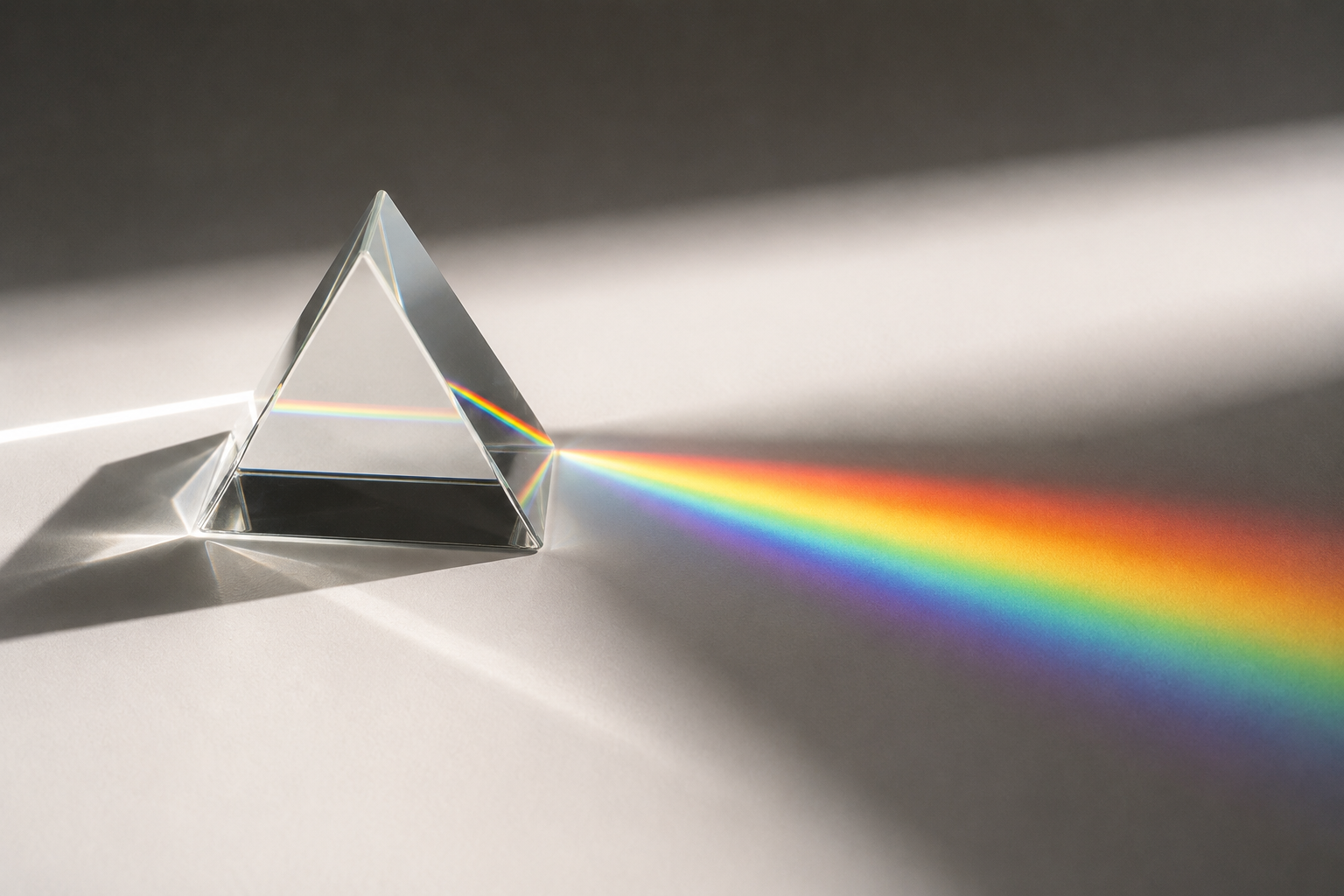
Here's the genuinely cool physics, minus the physics. Every laser is tuned to a specific wavelength that gets absorbed by a specific target. The 1927 nm wavelength is strongly absorbed by water, and it stays shallow — it does its work right in the superficial layer of skin where sun spots, brown patches, and dull, weathered tone actually live. That's why it's such a favorite for pigment and sun damage specifically: it's aimed exactly where the problem is, without bulldozing deeper than it needs to. Think of it as a precise surface polish, not a demolition.
What It Actually Treats
● Sun damage and brown spots — its home turf.
● Uneven tone and dullness — the “my skin looks tired” complaint.
● Fine lines and early wrinkles — via a modest boost to collagen.
● Enlarged pores and rough texture — a smoother, more refined surface.
● Melasma and post-inflammatory hyperpigmentation — with care, and usually as part of a bigger plan (I dig into the pigment side in our melasma post).
If your main concern is deep wrinkles or real sagging, this isn't your laser — it's a resurfacer and tone-evener, not a facelift. Managing that expectation up front saves us both a disappointing follow-up.
What the Evidence Actually Shows (Honestly)
I'd rather give you the real picture than a brochure. In a prospective study of the 1927 nm laser for photoaging, three monthly treatments produced statistically significant improvements in pigment (a brighter, more even tone), fine wrinkles, pores, epidermal thickness, and elasticity — and about 70% of patients were satisfied or very satisfied. Reassuringly, no one developed post-inflammatory hyperpigmentation.
Now the honesty part: that study had only 27 people, no comparison group, and no long-term follow-up — and notably, deeper “spots” and overall texture didn't reach statistical significance. So the fair read is “promising and consistent with what we see clinically,” not “definitively proven.” It's a real effect from a small study, and I'd rather you know that than not.
Is It Safe for Darker Skin Tones?
This matters, because many lasers are risky in richer skin tones — they can trigger the very pigmentation you're trying to treat, a paradoxical and genuinely heartbreaking outcome. The 1927 nm wavelength has a better reputation here precisely because it stays superficial and works gently. In a small pilot treating post-inflammatory hyperpigmentation in Fitzpatrick type IV skin, most patients improved and — importantly — none developed paradoxical pigmentation.
I'll caveat that honestly: it was nine patients, and the laser was paired with a topical lightening regimen, so it's encouraging rather than conclusive. But it lines up with why this laser earned its skin-of-color-friendly reputation. The real safeguard, as always, is an experienced hand choosing conservative settings — not the machine alone.
The Downtime: What Your Few Days Actually Look Like
Here's the honest recovery reel, because surprises are the enemy of a happy patient. Right after, you'll be pink, like a mild sunburn, sometimes with a little swelling that settles within a day. Over the next three to five days or so, your skin gets rough, dry, and flaky — a fine “sandpaper” texture as the treated surface sheds and fresh skin comes up underneath. It's very manageable, and most people work right through it (some strategic moisturizer and forgiving lighting help). Then comes the payoff: brighter, smoother, more even skin. And no, you cannot exfoliate or pick the flaking — I will know.
How Many Sessions — and What About the Sun?
This is a series, not a one-off — usually a few sessions spaced roughly a month apart to build the result. And because we're working on pigment and freshly resurfaced skin, sun protection isn't a suggestion here; it's the whole ballgame. Sun exposure right after treatment is the fastest way to undo your results and invite new pigment, which is exactly why when you do laser matters — a topic I care enough about to give it its own post on the best time of year for laser .
A Little Prep Goes a Long Way
To get the best result and the smoothest recovery, a bit of preparation matters. In the couple of weeks beforehand, avoid deliberate sun and tanning — showing up with a fresh tan is the fastest way to get your appointment rescheduled. A few days before, we'll usually have you pause retinoids and strong active ingredients so your skin isn't extra-sensitive walking in. If you're prone to cold sores, tell us — a facial laser can wake that virus up, and a short course of preventive antiviral medication heads it off. And if there's an active breakout or infection in the area, we'll simply wait until it clears. None of this is complicated; it's just the difference between a good result and a great one.
Frequently Asked Questions
Does it hurt?
Most people describe a prickly, hot sensation — think tiny warm rubber-band snaps — and we use numbing cream first. In the studies, patients rated it around a 3 out of 10. It's a “that was fine,” not a “fetch my fainting couch.”
How soon will I see results?
You'll look slightly worse before better — pink and flaky for a few days — then brighter over the following weeks as the surface renews and collagen slowly catches up. It rewards a little patience, but not the months some treatments demand.
Can I wear makeup afterward?
Usually after a day or so, once the initial redness calms — though your skin will be doing its flaky thing for a few days regardless. We'll give you the exact timeline for your treatment, plus full permission to hide in soft lighting until then.
Is this the same as Fraxel?
Fraxel is one brand of fractional laser, and some Fraxel devices include this exact 1927 nm wavelength — so they're cousins, not strangers. What matters more than the name on the machine is the wavelength, the settings, and who's running it.
Am I a good candidate?
If your concerns are sun damage, brown spots, dullness, big pores, or rough texture — very likely yes. If you're chasing deep wrinkles or lifting, we should talk about other tools. And if you're currently tan or have a sun-soaked trip coming up, we'll time it carefully (see the seasonal note above).
Let's Deal With Those Sun Souvenirs — Here in Southern Oregon
Southern Oregon gives us mountains, rivers, wine, and — the fine print — a whole lot of sun. If yours has left some souvenirs on your skin, the 1927 nm thulium laser is one of the most satisfying, low-drama ways to walk them back. At Bonato MD Aesthetics we treat patients from Medford, Ashland, and Grants Pass, and we'll tell you honestly whether this laser, a different treatment, or just a better sunscreen habit is what your skin actually needs. See our laser skin rejuvenation options .
Book a consultation — ideally before your next sunny hike, not after.
References
1. Li X, Qin S, Shi S, et al. Prospective study of efficacy and safety of non-ablative 1927 nm fractional thulium fiber laser in Asian skin photoaging. Front Surg. 2023;10:1076848. https://doi.org/10.3389/fsurg.2023.1076848
2. Alharbi MA. 1927 nm Thulium Laser Successfully Treats Postinflammatory Hyperpigmentation in Skin of Color. Dermatol Res Pract. 2021;2021:5560386. https://doi.org/10.1155/2021/5560386
