
PRP for Skin & Under-Eyes: The “Vampire Facial,” Minus the Theatrics
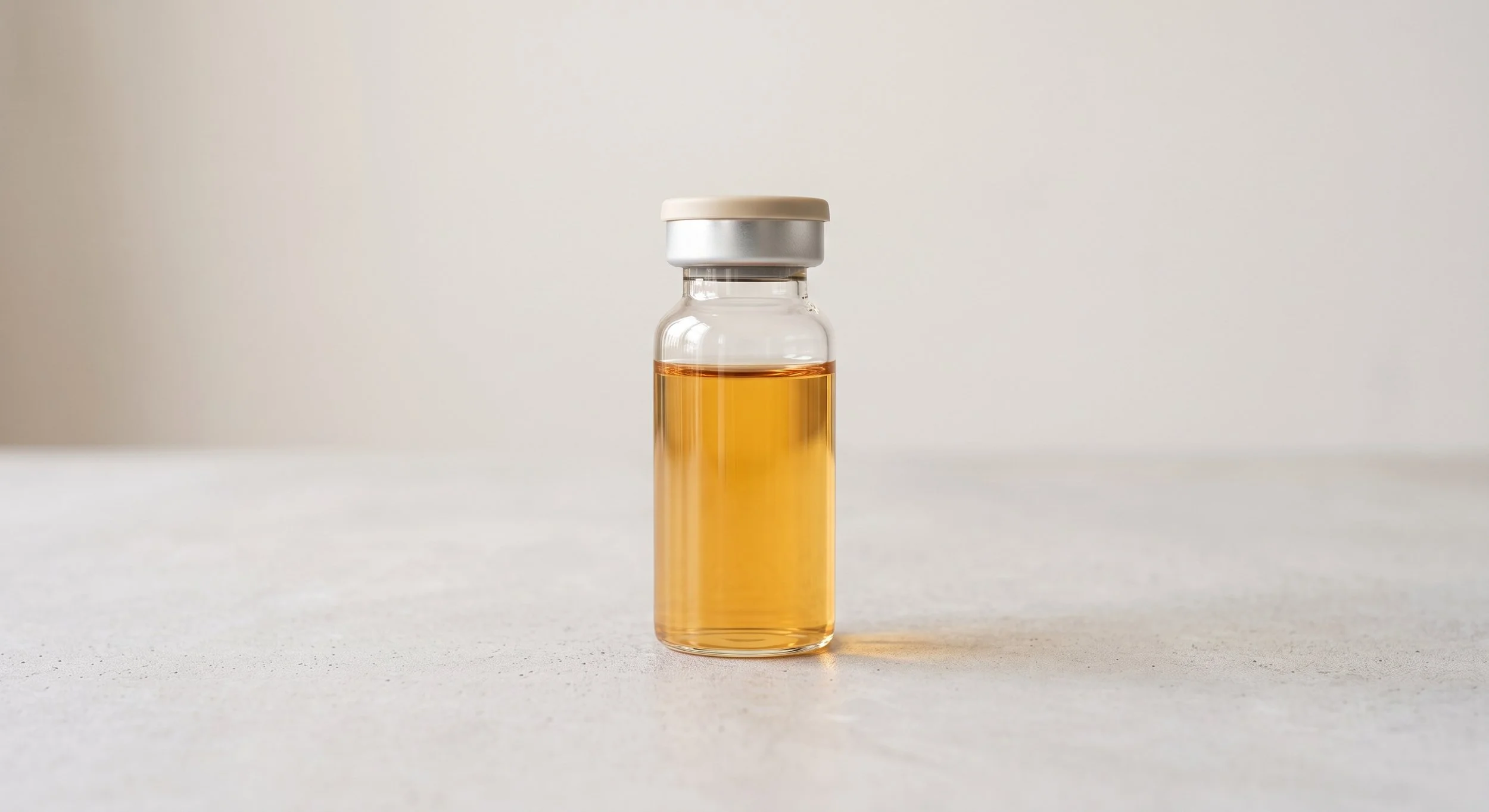
By Alexander E. Bonato, MD — Board-Certified in Internal Medicine · Medically reviewed September 2026.
TL;DR: Platelet-rich plasma (PRP) is made from your own blood — spun down to concentrate the platelets and growth factors, then applied to the skin (often paired with microneedling) to nudge collagen and repair. Beyond hair, it's used for overall facial rejuvenation, acne scars, and under-eye dark circles and texture. It's remarkably safe (it's literally you), and lots of studies report improvement — but here's the honest part: the best high-level review of the evidence found it low-certainty and insufficient for firm conclusions. So the fair read is “natural, low-risk, plausibly helpful — especially for under-eye pigment and as a microneedling add-on — but promising rather than proven.” Set expectations for subtle and gradual, not dramatic.
Every couple of weeks, I cook my two dogs a batch of from-scratch, all-natural meals — real ingredients, carefully portioned, the whole production. They eat, without exaggeration, better than most humans I know. There's a special irony in this, because I'm an evidence-based physician who reflexively rolls his eyes at the words “all-natural” on a product label — and yet I currently have exactly two clients on a bespoke all-natural meal plan. Both are dogs. Both are thriving. The hypocrisy is total, and I've made my peace with it.
I mention the dogs' enviable diet because it lets me segue — clumsily, as is tradition — into a treatment that genuinely is about as “all-natural” as aesthetics gets: platelet-rich plasma, or PRP. You've probably heard of it for hair (I've written about that ), but it does more. I'm a board-certified physician (internal medicine by training) at Bonato MD Aesthetics in Medford, and here's the honest evidence for PRP on your skin and under your eyes — because it's made from your own blood, which is a strong start, but “natural” and “proven” are not the same word.
What PRP Actually Is
The concept is elegantly simple. We draw a small amount of your blood, spin it in a centrifuge to separate out and concentrate the platelets — the cells packed with growth factors your body uses to heal — and then deliver that concentrated plasma back into your skin, either by injection or by pressing it in alongside microneedling. Those growth factors signal your skin to do what it does during repair: build collagen, improve blood supply, and refresh tissue. There's nothing synthetic in it and nothing borrowed from anyone else — it's your own biology, concentrated and redirected. That's the genuine appeal, and it's why the safety profile is so friendly.

What It's Used For on Your Skin
● Overall facial rejuvenation — a gradual improvement in texture, tone, and fine lines, aiming for “fresher,” not “done.”
● Acne scars — where it's especially useful paired with microneedling (more on that below).
● Under-eye circles and texture — the delicate infraorbital area, where studies suggest PRP may help pigmentation (those bluish-brown dark circles) and skin quality.
● A microneedling companion — added to a microneedling session to boost the result and calm the skin afterward.
The Honest Evidence (This Is the Important Part)
Here's where I have to be a good doctor rather than a good salesman. There is a lot of published research on PRP for the face — one systematic review pulled together 36 studies covering more than 3,000 patients, and the large majority reported improvement. That sounds great until you look closer: most of those studies were small and uncontrolled, used wildly different PRP preparations, and measured “success” in inconsistent ways. When researchers did the most rigorous thing — an umbrella review that grades the quality of all those reviews together — the sober conclusion was that the evidence is low-certainty and currently insufficient to draw firm conclusions.
I don't share that to talk you out of PRP — I share it because you deserve the real picture. PRP is popular, it's exceptionally safe, and plenty of patients (and physicians) see real-world benefit. But the science underneath it is suggestive, not settled. Anyone selling PRP as a clinically proven powerhouse is rounding way up — and the honest version is more compelling anyway: a natural, low-risk option that may give you a subtle, gradual boost.
Under-Eyes: Where PRP Gets Interesting
The under-eye area is notoriously hard to treat — the skin is thin, and hyaluronic acid filler there carries real risks and can look puffy or bluish if placed poorly. That's why PRP (and its cousin PRF, platelet-rich fibrin) has become an appealing option. Reviewing the periorbital studies, a fair summary is that PRP tends to help pigmentation — those stubborn dark circles — while PRF may do a bit more for fine texture and crepiness. Both are safe, both earn high patient satisfaction, and both share the same honest caveat: the improvements are often modest and the durability is uncertain, with some benefits fading within about six months. It's a gentle, natural nudge for tired-looking eyes, not an eraser.
The Microneedling Combo (Where It Shines Most)
If there's one place the evidence and the real-world experience line up nicely, it's PRP plus microneedling. The idea is tidy: microneedling creates the tiny channels and the healing signal, and the PRP pours growth factors right into that healing process. Studies of the combination for acne scars and photoaging generally report better results than microneedling alone, often with less post-treatment redness and swelling, since PRP's repair signals help the skin settle faster. If you're already considering microneedling — say, for acne scars — adding PRP is one of the more sensible upgrades on the menu.
Is It Safe?
This is PRP's strongest suit. Because it's autologous — made entirely from your own blood — there's essentially no risk of allergic reaction or rejection. The side effects are the mild, expected ones: some bruising, swelling, redness, or tenderness at the treated sites that settle within days. The main discomfort is honestly the blood draw and the injections themselves, which numbing helps with. For a healthy patient, it's about as low-risk as an active treatment gets — which is a big part of why it's reasonable to try even while the efficacy evidence keeps maturing.
What a PRP Session Is Actually Like
The appointment is far more low-key than the “vampire facial” nickname suggests. We start with a simple blood draw — the same as any routine lab — and spin it in a centrifuge for a few minutes to separate out the platelet-rich layer. While that's happening, we numb the treatment area. Then we either inject the plasma into the target zones or apply it during microneedling, pressing those growth factors into freshly opened channels. Start to finish, it's usually under an hour. Afterward, expect some redness, minor swelling, and occasionally a little bruising — especially under the eyes, which bruise at the slightest provocation — that settles over a few days. Most people head straight back to normal life, sunscreen on.
Who It's Best For
PRP tends to suit people who want a natural, low-risk “freshening” and are realistic about a gradual result — and it's an especially sensible pick for under-eye pigment or as a microneedling upgrade. It's a weaker choice if you're after a dramatic, immediate change, or a fix for significant volume loss and hollowing, where other tools simply do more. As with everything here, the honest starting point is matching the treatment to what's genuinely bothering you, rather than to whatever's trending.
Frequently Asked Questions
Does it hurt?
There's a quick blood draw, and then either injections or microneedling — we numb the area first, and most people find it very manageable. The vampire-facial nickname is scarier than the actual appointment, which is mostly you sitting there while your own blood does the heavy lifting.
How many sessions will I need?
Typically a short series — often around three, spaced weeks apart — with occasional maintenance afterward. Like most regenerative treatments, it builds gradually rather than transforming you in one visit.
When will I see results?
Gradually, over several weeks to a few months as your skin responds and builds collagen. If you're expecting a dramatic next-day change, PRP will disappoint you; if you're expecting a natural, slow freshening, it's more likely to please.
Is it better than filler for under-eyes?
Different tools. Filler adds volume for hollows (with real risks in that delicate area); PRP works more on skin quality and pigment. For dark circles that are mostly discoloration rather than hollowing, PRP is often the gentler, lower-risk starting point — but the honest answer depends on your specific under-eyes.
Will PRP get rid of my dark circles completely?
Honestly, probably not completely — expect improvement, not erasure, and know that dark circles have several causes (pigment, thin skin, hollowing, shadows) that no single treatment fixes. I'd rather set that expectation than oversell it.
Let's Talk About Whether PRP Fits You — in Southern Oregon
PRP is a genuinely appealing option for the right person: natural, low-risk, and a strong partner for microneedling — as long as you go in with honest expectations about a subtle, gradual result rather than a miracle. At Bonato MD Aesthetics we help patients from Medford, Ashland, and Grants Pass decide whether PRP, microneedling, a combination, or something else altogether is the smart move for their skin and their goals. See our PRP and regenerative treatments.
Book a consultation and we'll give you the honest read — including when a simpler (or different) treatment would serve you better.
References
1. Xiao H, Xu D, Mao R, Xiao M, Fang Y, Liu Y. Platelet-Rich Plasma in Facial Rejuvenation: A Systematic Appraisal of the Available Clinical Evidence. Clin Cosmet Investig Dermatol. 2021;14:1697–1724. https://doi.org/10.2147/CCID.S340434
2. Cruciani M, Masiello F, Pati I, et al. Platelet rich plasma for facial rejuvenation: an overview of systematic reviews. Blood Transfus. 2024;22(5):429–439. https://doi.org/10.2450/BloodTransfus.730
3. Sollitto M, et al. A Systematic Review of Platelet-Rich Plasma Versus Platelet-Rich Fibrin for Periorbital Rejuvenation. J Cosmet Dermatol. 2025. https://doi.org/10.1111/jocd.70524
