
PLEXR Plus Plasma: One Device, Three Treatments (and One Very Bad Internet Knockoff)
By Alexander E. Bonato, MD — Board-Certified in Internal Medicine · Medically reviewed September 2026.
TL;DR: PLEXR Plus is a “plasma soft surgery” device: it creates a tiny electrical arc that turns the very surface of the skin to vapor (sublimation) without a scalpel and without touching deeper layers. That one trick powers three main jobs — tightening and lifting loose skin (including a non-surgical eyelid treatment), stimulating collagen for skin rejuvenation, and precisely removing benign skin spots like skin tags. It's clever and low-downtime, but two honest caveats: the evidence is mostly small observational studies rather than large trials, and the cheap “plasma pen / fibroblast” version sold for home and salon use is a genuinely riskier animal — there are documented eye injuries. Done by a physician who screens candidacy and protects your eyes, it's a useful tool; bought online, it's a hazard.
At my clinic, I hold every job title. I'm the owner, the medical director, the guy who orders the printer paper, and — on a bad day — the IT department wrestling with a router that has personally wronged me. I am a one-man democracy who somehow still loses every vote to the marketing department (my wife). The upside of wearing that many hats is that I've developed a deep appreciation for anything that can do several jobs genuinely well instead of one job adequately.
Which is a big part of why the PLEXR Plus plasma device earned a place in my practice. I'm a board-certified physician (internal medicine by training) at Bonato MD Aesthetics in Medford, and “plasma” is one of those treatments wrapped in equal parts genuine promise and internet nonsense. So let me give you the honest physician's overview: what it actually is, the three things it really does, and the one big safety distinction nobody selling a $90 pen online wants you to know.
What “Plasma Soft Surgery” Actually Is
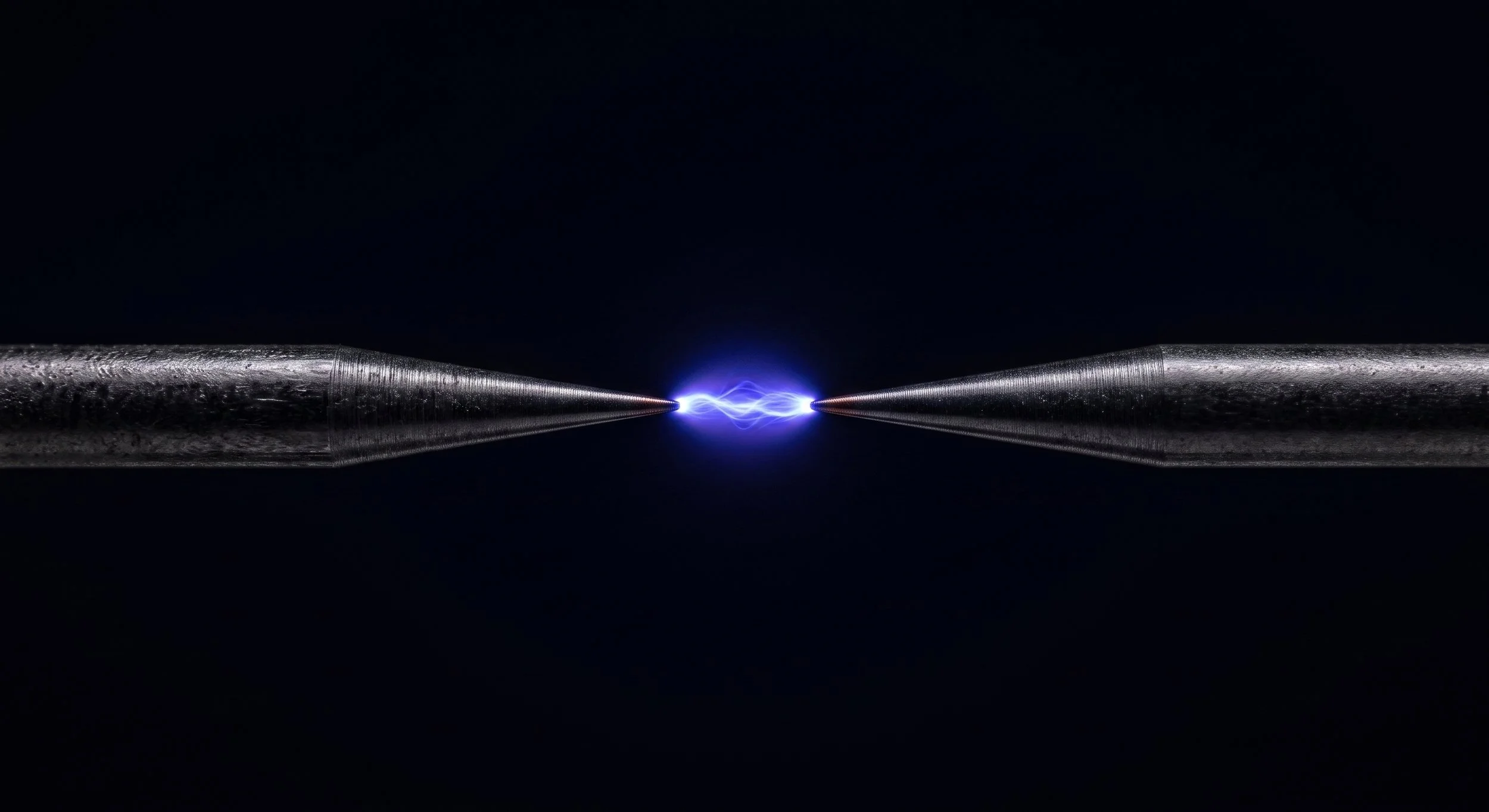
Plasma is sometimes called the fourth state of matter — energized, ionized gas. The PLEXR Plus device holds its tip about a millimeter off your skin and ionizes the air in that gap, creating a tiny, controlled electrical arc. That micro-arc sublimates the outermost layer of skin — turning it directly to vapor — in a precise little spot, without cutting and, importantly, without penetrating down to the deeper structural layer of the skin. Your body treats each of those tiny spots as a micro-wound and heals it quickly, tightening the skin and, over the following weeks, laying down new collagen underneath. No scalpel, no stitches, no bleeding — which is why it gets marketed as “soft surgery.”
The Three Things It Actually Does
Here's the “one device, three treatments” part, in plain terms:
● Tightening and lifting. By sublimating tiny spots of excess skin, plasma makes the surface contract and retract — useful for loose, crepey skin and, most famously, for a non-surgical eyelid treatment in the right candidate. (Full breakdown in our non-surgical eyelid lift post.)
● Skin rejuvenation and collagen. The controlled micro-injury switches on your fibroblasts to build new collagen, softening fine lines and improving texture and tone over time. (More in our plasma and collagen post .)
● Removing benign skin spots. Because it vaporizes tissue so precisely, plasma is a tidy tool for lifting off benign lesions like skin tags and certain other superficial spots — no excision required.
There's also an emerging, more experimental use aimed at the scalp and hair, which I treat with a lot more caution — I lay out exactly why in a separate, honest post.

The Honest State of the Evidence
I'm not going to oversell this, because the evidence deserves a clear-eyed description. Plasma treatments have real, encouraging studies behind them — but they're mostly small, observational studies and pilots, not the large randomized trials we'd love to have. For eyelid skin, for example, the better cohorts followed a few dozen patients and reported high satisfaction and good tightening with few problems; a small histology study confirmed that plasma genuinely stimulates new collagen at the tissue level. That's promising and consistent with what I see — but “promising small studies” is not the same as “proven beyond doubt,” and you deserve to hear the difference. Anyone claiming plasma is a miracle backed by ironclad science is getting ahead of the data.
The Safety Distinction That Actually Matters
This is the part I care about most. There's a world of difference between plasma performed by a trained physician with a medical-grade device — and the cheap “plasma pen” or “fibroblast pen” sold online and used at some salons and home kitchens. The DIY version is where people get hurt.
It's not hypothetical. In one published case, a woman had a salon “plasma fibroblast” eyelid treatment where the numbing cream seeped into both eyes and caused a chemical burn to her corneas — and the practitioner admitted she hadn't been taught that the cream was dangerous near the eyes. Around delicate areas like the eyelids, candidacy screening, sterile technique, correct anesthetic handling, and eye protection aren't optional niceties — they're the entire reason the procedure is safe. That expertise doesn't come in the box with a pen.
Who PLEXR Is — and Isn't — For
Plasma shines for mild-to-moderate concerns — a bit of loose eyelid skin, crepey texture, fine lines, a benign spot you want gone. It is not a substitute for surgery when there's significant excess skin, fat “bags,” or heavy sagging — in those cases a surgical option is the right, honest recommendation, and I'll tell you so rather than talk you into something that won't deliver. Skin tone matters too: because there's a temporary risk of pigment change, careful technique and diligent sun protection are especially important for richer skin tones. The best result starts with an honest assessment of whether you're actually a candidate.
What a PLEXR Plus Session Actually Looks Like
Here's the practical picture. We clean the area and apply a numbing cream, usually about 30 minutes ahead. The treatment itself is quick — often 10 to 20 minutes for a small area — and it's done spot by spot, so you'll notice tiny dots (the treated points) appearing as we go, along with a warm, prickly sensation. For tightening treatments, you can often see some change immediately, which continues to settle over the following days. Afterward, those little dots crust over and flake off on their own within roughly one to two weeks, and you'll go home with simple aftercare: gentle cleansing, a bland moisturizer, no picking, and diligent sun protection while the skin heals.
How Many Sessions, and How Long It Lasts
Most concerns are treated as a short series — commonly two to three sessions spaced about a month apart — because spacing the treatments lets your skin heal and build collagen between rounds, and lets us optimize the result gradually instead of overdoing it in one go. For skin-tightening uses like the eyelid treatment, results are often reported to last a few years before a touch-up, though your skin keeps aging in the meantime, so it's best thought of as maintenance rather than a permanent fix. Removing a benign spot, by contrast, is usually a one-and-done. Everything gets tailored to your skin and your goal at the consult, not sold as a fixed package.
Frequently Asked Questions
Does it hurt?
We apply a numbing cream first, and most people describe it as very tolerable — a warm, prickly sensation, with pain typically rated in the mild range. It's a small-arc, spot-by-spot treatment, not a dramatic one.
What's the downtime?
Expect tiny scabs (little dots) at each treated spot for roughly a week to two, plus some swelling for a few days — especially around the eyes. It's the kind of downtime you plan a quiet week around, not one that puts you in hiding for a month. No picking the scabs, though — that's how you trade a good result for a mark.
How is this different from laser?
Both use energy to remodel skin, but plasma works by that tiny surface arc rather than a light beam, and around the eyes it's often praised for not requiring the internal eye shields a laser does. Which tool is right depends entirely on your concern — that's a consult conversation, not a one-size answer.
Is the “plasma pen” I saw online the same thing?
Mechanically similar, worlds apart in safety. The consumer/salon pens are frequently used by people without medical training, and that's precisely where the serious injuries happen. If you take one thing from this article: this is a procedure to have done by a medical professional, not a gadget to buy.
Curious Whether Plasma Fits You? — Here in Southern Oregon
Plasma is a genuinely versatile tool in the right hands and for the right concern — and honestly not the answer for everyone, which I'll always tell you up front. At Bonato MD Aesthetics we help patients from Medford, Ashland, and Grants Pass figure out whether plasma, a laser, a surgical referral, or something simpler is the smart move for what's actually bothering them. See our PLEXR Plus / plasma treatments.
Book a consultation and we'll give you a straight answer — including when the answer is “you don't need this.”
References
1. Karapantzou C, Vale JP, Haubner F, Canis M. Plasma Exeresis Technology for Rejuvenation of the Upper Eyelid. Arch Clin Med Case Rep. 2022;6(1):78–90. https://doi.org/10.26502/acmcr.96550454
2. Froes Meyer P, dos Santos Borges F, Dantas Soares C, et al. Clinical and histological effects of the direct plasma jet on upper eyelid rejuvenation. J Clin Aesthet Dermatol. 2024;17(1):33–40.
3. Patel S, Shamdas M, Cobb C. Plasma fibroblast skin tightening treatment resulting in bilateral chemical eye injury secondary to EMLA cream: a case report. BMC Ophthalmol. 2020;20(1):342. https://doi.org/10.1186/s12886-020-01613-8
