
Microneedling Aftercare: The First 72 Hours (Don't Pick. I Will Know.)
By Alexander E. Bonato, MD — Board-Certified in Internal Medicine · Medically reviewed August 2026.
TL;DR: For the first 72 hours after microneedling, keep it simple and gentle: expect redness like a mild sunburn that fades over a day or two, then some tightness and light flaking. Do cleanse gently, moisturize, and protect from the sun. Don't wear makeup for about 24 hours, use active ingredients (retinoids, acids, vitamin C) for a few days, sweat heavily, swim, or touch and pick. Diligent sun protection is the single biggest thing that protects your result. Call us for anything that looks like infection — spreading redness, pus, worsening pain, or fever. Otherwise, the less you do, the better it heals.
I have been formally, if lovingly, banned from cooking anything above medium heat in my own home. This followed a series of incidents — pans left until they smoked, a stir-fry that summoned the fire alarm, food plated with what my wife charitably called “aggressive optimism” — that revealed a simple truth about me: I'm a man who doesn't love following instructions, and who reliably pays for it. My culinary jurisdiction is now limited to the barbecue and sauces, where I can do the least damage.
I confess this as a cautionary tale, because aftercare is the one place I'll genuinely beg you to be better than me. Microneedling works by creating thousands of tiny, controlled injuries in your skin to switch on collagen production — which makes the days right afterward actually matter. Follow the instructions (unlike me and the stovetop) and you protect your result; ignore them and you can undo good work or invite a problem. I'm a board-certified physician (internal medicine by training) at Bonato MD Aesthetics, and here's exactly what to do — and not do — in the first 72 hours.
Hour 0–24: What's Completely Normal
Right after your treatment, your skin has been through something, and it will look like it. Expect redness, like a moderate sunburn, along with warmth, a tight feeling, and maybe some mild swelling. You might notice a bit of pinpoint oozing or a slightly “glazed” look early on. All of this is normal and expected — it's the visible sign that the collagen-building process has started. This is the day to be boring: clean skin, gentle products, and low expectations for your social calendar.
The First 72 Hours: Your Do's and Don'ts
This is the whole game. Keep it simple:
● DO cleanse gently with a mild, fragrance-free cleanser and lukewarm water — pat, don't scrub.
● DO moisturize with a bland, soothing moisturizer; a plain hyaluronic acid serum is usually welcome too.
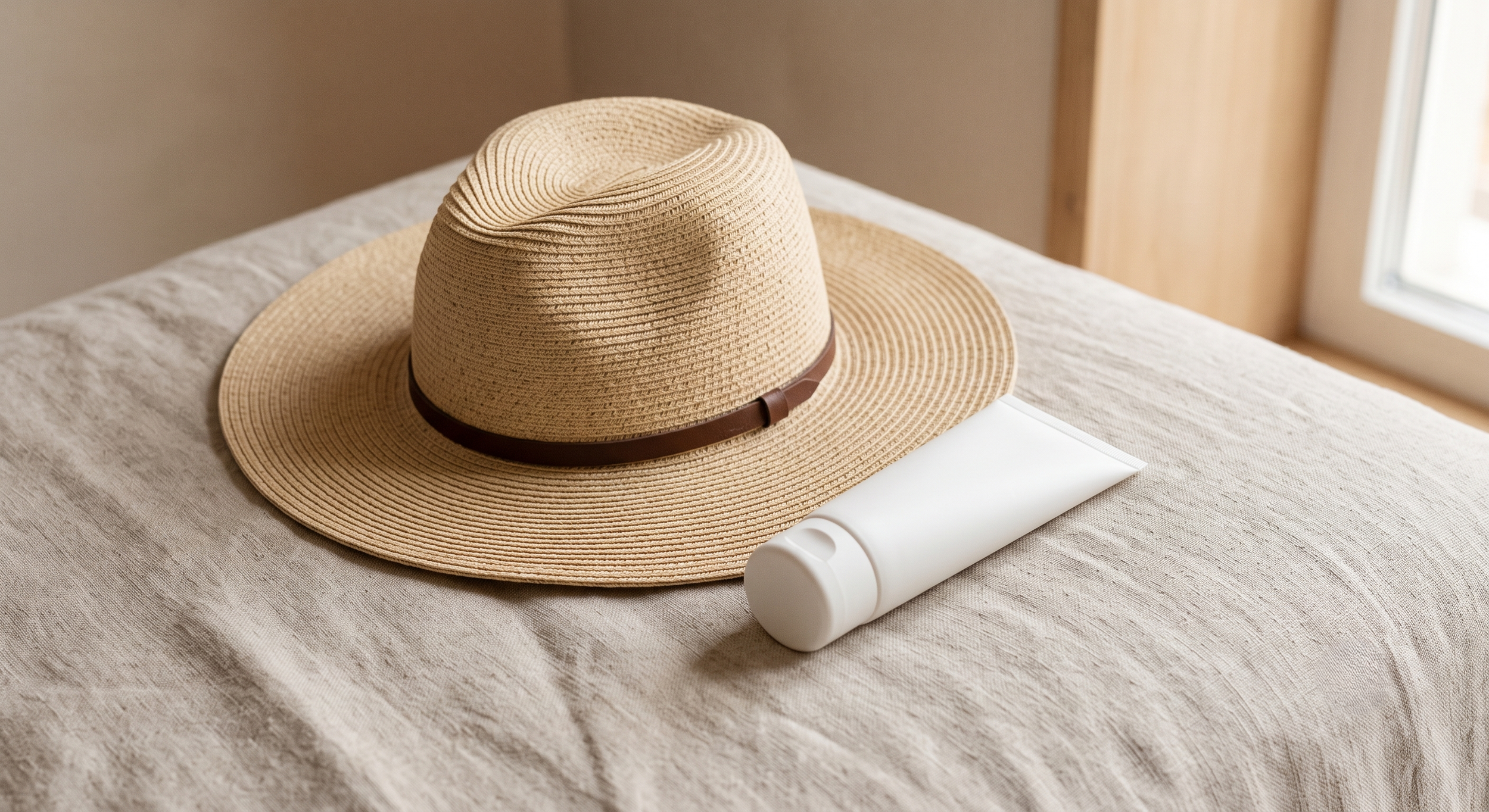
● DO protect from the sun — a mineral (zinc/titanium) SPF once your skin tolerates it, usually by day two or three, plus a hat.
● DO sleep on a clean pillowcase and keep your hands off your face.
● DON'T wear makeup for about 24 hours (longer if we tell you), to keep the tiny channels clean while they close.
● DON'T use active ingredients — retinoids, vitamin C, exfoliating acids (AHA/BHA), or scrubs — for several days.
● DON'T sweat heavily, hit the sauna, or swim for roughly 48–72 hours (chlorine, bacteria, and salt are not your friends here).
● DON'T pick, scratch, or peel the flaking skin — let it shed on its own.
Days 2–3: The Tight, Flaky Stage
As the redness fades, many people hit a dry, tight, faintly sandpapery stage where the skin does a little flaking — sometimes with a mild bronzed or “dusty” look. This is normal shedding, not a problem, and the fix is simple: keep moisturizing, keep your hands off, and resist every urge to exfoliate it along. Picking at this stage is the fastest way to trade a great result for a mark you didn't need. Gentle and patient wins.
What's NOT Normal — When to Call Us
The vast majority of recoveries are smooth and boring, which is exactly what we want. But you should reach out promptly if you notice any of the following, because they can signal an infection or a reaction rather than normal healing:
● Redness that spreads or worsens after the first couple of days instead of fading.
● Pus, yellow crusting, or oozing beyond the first few hours.
● Pain that increases rather than steadily improving.
● Fever, or blistering.
None of this is common, and I'm not telling you to expect it — I'm telling you so you're never sitting at home wondering. If something feels off, you call us. That's what we're here for.
Setting Up the Best Possible Result
Once you're through the first few days, a few habits make the difference between a good outcome and a great one:
● Sun protection, every day. Freshly treated skin is more prone to pigment changes, so daily SPF isn't optional — it's the thing most likely to protect your results.
● Reintroduce actives slowly. Ease your retinoids and acids back in after several days, once your skin feels fully calm.
● Be patient, and finish the series. The real collagen payoff builds over months, and consistency across your planned sessions is what gets you there.
Frequently Asked Questions
When can I wear makeup again?
Usually after about 24 hours, once the tiny channels have closed — but check with us for your specific treatment, since deeper sessions may want a little longer. When you do go back, start with clean brushes; day-one microneedling and a grimy makeup sponge are not a great couple.
When can I work out?
Give it roughly 48–72 hours before heavy sweating, saunas, or hot yoga — sweat and bacteria on freshly treated skin are asking for trouble. A gentle walk is fine; the leg-day sweat session can wait a couple of days.
Can I use my retinol tonight?
Please don't. Retinoids, vitamin C, and exfoliating acids are wonderful on healthy skin and irritating on freshly needled skin — pause them for several days and reintroduce slowly. Your future skin will thank you for the restraint.
How long does the redness last?
For most people the strong redness settles within a day or two, easing into a bit of pinkness and flaking that resolves over a few more days. Deeper treatments can run a little longer. If you have a big event, we'll time your session with a comfortable buffer.
When can I go in the sun or the pool?
Keep direct sun off the area and skip the pool for the first few days at least — and once you're back out, sunscreen is non-negotiable while everything settles. Protecting freshly treated skin from UV is genuinely the most important thing you can do for your result.
We're Here for the Whole Process — in Southern Oregon
Good aftercare isn't complicated, but it does matter — and if you're ever unsure whether something is normal, we would much rather you ask. At Bonato MD Aesthetics, serving Medford, Ashland, and Grants Pass, we send every patient home with a clear plan and an open line. If you're considering microneedling in the first place, start with what the evidence shows for acne scars .
Book a consultation and we'll walk you through the whole process, aftercare included.
References
1. Sitohang IBS, Sirait SAP, Suryanegara J. Microneedling in the treatment of atrophic scars: A systematic review of randomised controlled trials. Int Wound J. 2021;18(5):577–585. https://doi.org/10.1111/iwj.13559
